
“Many of our relationship struggles are not character flaws but survival strategies that once made sense.” ~Unknown
Throughout my life I’ve often been described as confident and outgoing. I can be the “life and soul” of a party and am able to strike up conversations with a wide variety of people.
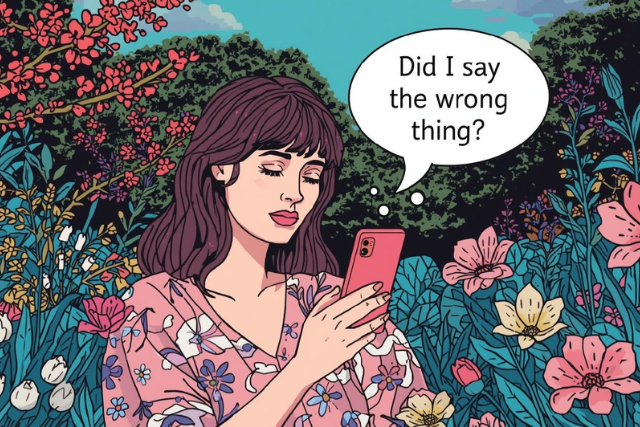
But what nobody would have guessed is that I secretly struggled to navigate close friendships. I used to overthink every unanswered text, I felt I needed to please to keep friends close, and I even pushed friends away because I thought they didn’t care.
What made it worse was feeling ashamed because I thought everyone else found friendships easy and I was the only one that didn’t.
I found navigating friendships so stressful that I almost gave up and tried to convince myself I didn’t need them. But deep down, I felt isolated, craved connection, and thought there was something wrong with me.
Eventually, in my early forties, I trained to be a therapist and was taught about “attachment styles.” This is when everything started to fall into place.
What Are Attachment Styles?
Attachment styles describe how we think and behave in our closest adult relationships and are shaped by our childhood experiences.
For example, if we are securely attached, we believe we’re good enough and trust that people will stick around to meet our needs because that’s what we’ve experienced from our caregivers growing up.
On the other hand, a person with insecure attachments will not feel lovable enough deep down, will feel they need to change themselves to be loved, and will always be on guard for rejection. This is normally caused by caregivers who were emotionally unavailable, critical, or unpredictable.
When I first heard this in class, we were taught that attachment styles are the blueprint for romantic relationships. Everyone in my class agreed that it helped make sense of the typical “clingy” partner or someone with “trust issues.”
I remember feeling confused and secretly thinking to myself, “But this is how I behave in friendships.”
I felt ashamed to admit it out loud, and because it wasn’t being discussed, I assumed I was the only one.
But then, when I qualified as a therapist, I heard story after story from clients who felt insecure in their platonic relationships too. The overthinking consumed them, but the worst part was feeling ashamed because friendships “should be easy” and they thought they were somehow childish for finding them stressful.
I’ve now made it my mission to raise awareness about friendship insecurity and how attachment styles can affect friendships just as much as other close relationships.
But before that, I need to finish my story. The good news is that I didn’t give up on friendship. Instead, understanding how my attachment style affected my friendships was the start of me being able to work on it, and I now have fulfilling and satisfying friendships with women who I feel safe and secure with.
If you find friendships stressful rather than satisfying and have often wondered why, here are six signs you could be insecurely attached to your friends. Being aware of this is the first step to healing.
6 Signs of Insecure Attachments in Friendships:
1. You often worry that your friends are mad at you or even secretly hate you.
A friend doesn’t answer a text or seems distant generally, so you spiral into anxious overthinking, wondering, “What have I done?!” You want to reach out but feel needy, and this makes you feel worse about yourself.
You start to doubt whether your friend even likes you anymore and keep checking your messages for reassurance. You only feel okay again when the inevitable reply comes through: “I’m so sorry I was busy.” Until next time!
2. You feel like you always need to please your friends for them to stick around.
It’s important to help our friends and be available when we can, but this does not mean prioritizing their needs over your own.
If you have an insecure attachment style, you will feel guilty for saying no and think your friends will disapprove and ditch you. This suggests your friendships are only based on what you do for people, not who you are, and that you base decisions on a fear of rejection rather than kindness. So you say yes when you don’t want to and spiral with anxiety when you want to say no.
3. You experience strong feelings of rejection.
A friend cancels on you last minute or turns down an invitation, but instead of feeling a little disappointed, it crushes you and feels like a punch in the gut.
Nobody likes being rejected because we have a human need for acceptance. But if rejection feels deeply painful, it could be because it triggers old feelings of not being loved or being abandoned.
The thing is, this can happen whether you have been rejected or not, because your nervous system will jump to conclusions if it feels familiar. This means you feel rejected even if you haven’t been, and you may struggle to know the difference.
4. You don’t open up to friends or feel like you can’t be yourself around them.
Being insecurely attached means having a deep feeling of not being “good enough” as you are. So you may act like you think your friends want you to (rather than being yourself) and hold back from opening up about your needs or problems.
The issue is that this creates inauthentic friendships, which are difficult to sustain long-term. You may push people away for fear of them getting to know “the real you” or find that friendships don’t deepen because you aren’t opening up or being yourself.
5. You feel jealous or have a fear of being left out.
Feeling confident and securely attached means knowing that your friendships are strong enough not to be exclusive and that you have your own qualities to bring to a friendship. But if you feel threatened when a good friend spends time with others, worrying they prefer them over you, it’s another sign of insecure attachment.
This can also mean feeling jealous or left out if mutual friends seem particularly close (i.e., if you’re all in the same group) and feeling like friendship is a competition. You may force yourself to “keep up appearances” because you’re scared that you’ll get overlooked or forgotten about, even if it means overriding your needs.
6. You withdraw from friends instead of speaking up if you feel hurt.
If you don’t hear from a friend on your birthday, you may feel so hurt by their actions that you withdraw. Maybe this is because you’re highly attentive to your friends’ needs and wouldn’t do that, so if they have, you assume they don’t care. But the only way you know how to deal with it is to withdraw rather than say how you feel, which then creates a vicious cycle that can harm the friendship anyway.
—
It can be useful to recognize that most people will display some of these behaviors from time to time in friendship. However, if these traits are prominent, they are likely to cause unnecessary stress, increase anxiety and overthinking, and sometimes make friendships hard to maintain.
Unfortunately, this feeds the original fears of not being good enough, and we don’t even realize we’re the ones sabotaging our platonic relationships.
The good news is that we can learn how to soothe ourselves and be more securely attached in friendships, and I’ve found mindful self-compassion particularly effective.
It helps us to increase awareness of our automatic thoughts and emotions, regulate our body and breath, and actively cultivate a kinder and wiser response to situations. For example, pausing and grounding ourselves if we have been triggered, tuning into our emotions, reminding ourselves we can’t help how we feel, and asking what we would say to someone we cared about in a similar situation.
Understanding the deeply held beliefs about ourselves and others that we bring to friendships and increasing self-worth is also vital so that we aren’t dependent on validation from others to feel good enough.
It takes time, and we may need help from a professional, but with awareness and a commitment to work on ourselves, it’s possible for anyone to build connections that bring joy instead of anxiety.
About Rebecca Stambridge
Rebecca is a qualified therapist and mindfulness teacher offering one-on-one and group services online to help people feel more secure and confident in their work and personal life by improving their self-esteem. At the moment, she is particularly interested in helping people whose anxiety impacts on their friendships. You can access her free guide, “Break Free from Overthinking Friendships,” here. Or check out her website to work with her now.
Get in the conversation! Click here to leave a comment on the site.
Recent Comments