
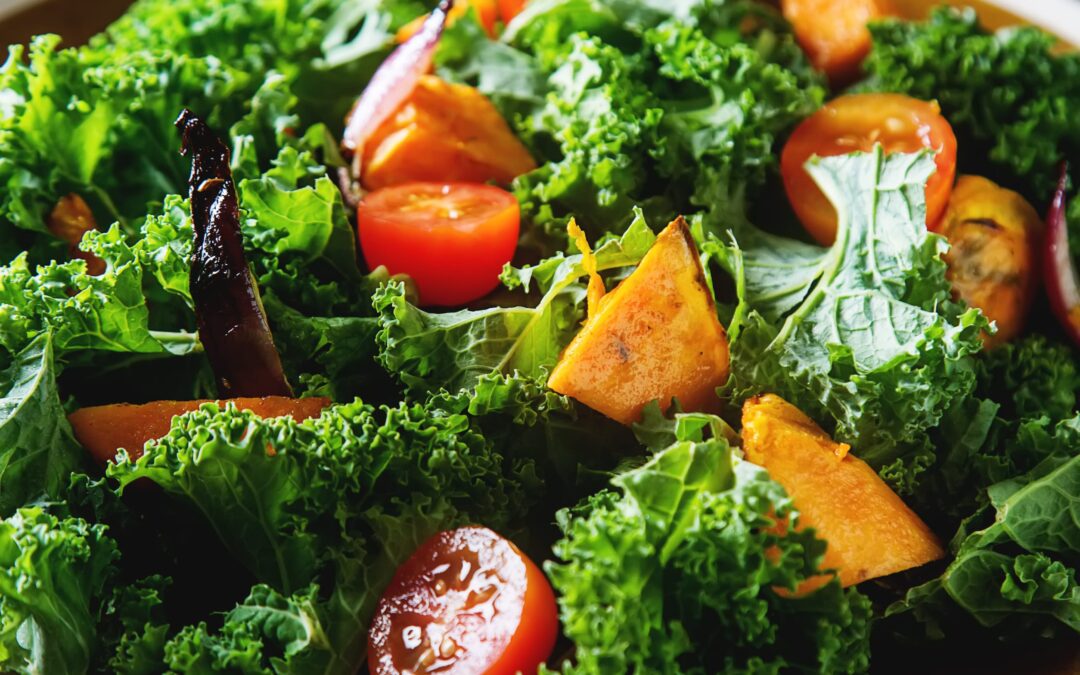

Most people think of a tan as something the sun gives you. There is a second, much quieter kind of color that has nothing to do with the sun at all. Researchers call it carotenoid coloration, and it comes from the pigments in the fruits and vegetables you eat. Over a few weeks, those pigments settle into the outer layers of the skin and add a soft golden warmth.
What Is A Carotenoid Tan?
A carotenoid tan is a warm, golden shift in skin tone that comes from carotenoids, the natural plant pigments that make tomatoes red, carrots orange and salmon pink. When you eat these foods regularly, some of the carotenoids are carried to the skin and stored there. The result is a subtle yellow-gold undertone, built from the inside rather than from the outside.
It is a different process from a sun tan. A sun tan is the skin producing more melanin, its brown pigment, in response to ultraviolet light. A carotenoid tan involves no sunlight and no melanin. It is simply plant pigment sitting in the skin, much the way it sits in the flesh of a ripe mango. That is also why it fades slowly if you stop eating colorful food, and deepens gradually when you eat more of it.
What Does The Research Say?
The best-known work on this comes from Professor David Perrett’s perception lab at the University of St Andrews. In a 2012 study published in PLOS ONE, researchers tracked young adults over six weeks, and found that people who increased their fruit and vegetable intake showed measurable increases in skin yellowness and redness. In a separate perception test, the researchers estimated that about three extra portions a day were enough to make skin look noticeably healthier.
An earlier study from the same lab, published in the International Journal of Primatology in 2009, asked volunteers to adjust the skin color of face photographs so they looked as healthy as possible. Volunteers made the skin redder, more golden and lighter, a combination the researchers linked to more carotenoid color, which is the golden tone that comes from diet. The volunteers used less melanin color, the brown tone that comes from the sun. In other words, the color people instinctively read as healthy looks more like a carotenoid glow than a deep tan.
None of this is dramatic. A carotenoid tan is a gentle warming of your natural tone, and how much it shows depends on your starting complexion, what you eat and how consistently you eat it.
Which Foods Build A Carotenoid Tan?
Different foods carry different carotenoids, and a varied plate brings in a broader mix than any single favorite. These are dependable places to start:
- Cooked tomatoes bring lycopene. Simmer them in olive oil with herbs.
- Wild salmon brings astaxanthin. Bake it and serve it with greens on the side.
- Carrots and sweet potatoes bring a spread of orange carotenoids. Roast them with avocado oil.
- Watermelon and pink grapefruit bring lycopene. Eat them fresh, as a snack.
- Spinach and kale bring lutein. Saute them with garlic and a squeeze of lemon.
Put simply, red foods bring lycopene, salmon brings astaxanthin, orange vegetables bring a spread of carotenoids, and dark leafy greens bring lutein.
How Do You Help Your Body Absorb Carotenoids?
Two kitchen habits make a real difference, because carotenoids are fat-soluble and some are locked inside plant cell walls.
- Eat them with a little fat. Olive oil, avocado, nuts, seeds or eggs help the body absorb carotenoids. In one study of salads eaten with different dressings, carotenoid absorption was higher with full-fat dressing than with fat-reduced dressing, so a salad with olive oil gives you more than the same salad without it.
- Cook some of them. Gently cooking tomatoes breaks down their cell walls and raises the amount of usable lycopene compared with raw tomatoes, which is one reason a slow tomato sauce is such a useful staple.
A few simple routines put this into practice:
- Build one plate a day with at least three colors, such as red, orange and green.
- Make a pot of tomato sauce on the weekend and use it through the week.
- Keep roasted sweet potato or carrots in the fridge for quick lunches.
- Add a handful of nuts or seeds to salads so the greens have some fat to travel with.
How Long Does A Carotenoid Tan Take?
Think in weeks, not days. In the St Andrews research, visible changes appeared over about six weeks of eating more produce. Carotenoids build up in the skin gradually and leave it gradually, so consistency matters far more than any single meal. A good approach is to treat the first month as a period of quiet observation: eat colorfully most days and notice how your skin tone looks in ordinary daylight from one week to the next.
Can A Supplement Help?
Food is the foundation, and for many people a colorful plate is all they need. Some people find it hard to eat carotenoid-rich food every day, though, because of travel, busy schedules or simply not liking tomatoes or salmon. For them, carotenoid supplements are one way to keep intake steady.
Some carotenoid supplements, including astaxanthin and lycopene based tanning gummies, are designed around exactly this idea of a gradual, diet-style golden tone rather than a sun tan. If you consider one, look for carotenoids you would recognize from food, plus a clear product statement that results build over weeks and vary from person to person, and no promise of a dramatic overnight change. A supplement works alongside a colorful diet, never instead of one.
A Glow That Starts On Your Plate
A carotenoid tan is one of the simplest ideas in skin health: the color of what you eat can, slowly and gently, become part of the color of your skin. It asks for nothing more than a varied plate, a little healthy fat, and patience. Tomatoes, salmon, sweet potatoes and greens are not only good for the rest of the body, they may also leave you with a warmer, healthier-looking glow.
Christian Absher is the founder of CAYO Nutraceutical and a graduate of Arizona State University. He researches and writes about nutrition, carotenoids, and skin health from within.
Find holistic Classes & Workshops in the Spirit of Change online Alternative Health Directory.
RELATED ARTICLES:
5 Practical Tips To Prevent Digital Eye Strain
4 Natural Ingredients To Care For Your Skin
Recent Comments