

Heartburn is one of the most common digestive complaints in the world — yet the pills millions take to relieve it typically do more harm than good. Proton pump inhibitors, or PPIs, are marketed as safe, convenient fixes for reflux and indigestion. But these drugs were designed for short-term use, not as daily maintenance. When taken long term, they interfere with essential digestive and metabolic processes that ripple throughout your body.
Many people faithfully take their PPI each morning, convinced it’s protecting their stomach, when in reality it’s slowly eroding another vital system — their kidneys. Few realize that the discomfort they’re treating with acid suppression stems not from too much acid, but often from too little. By shutting down acid production, PPIs mask the symptom while worsening the underlying problem, leaving your body dependent and depleted over time.
What’s more, research continues to expose deeper consequences of chronic PPI use — from nutrient deficiencies and mitochondrial dysfunction to organ damage. These findings challenge the long-held assumption that heartburn is a simple acid issue. It’s a signal of a broader imbalance — one that can only be corrected by addressing digestion at its root, not silencing it with acid blockers.
Long-Term Use Of Heartburn Drugs Damages Kidneys
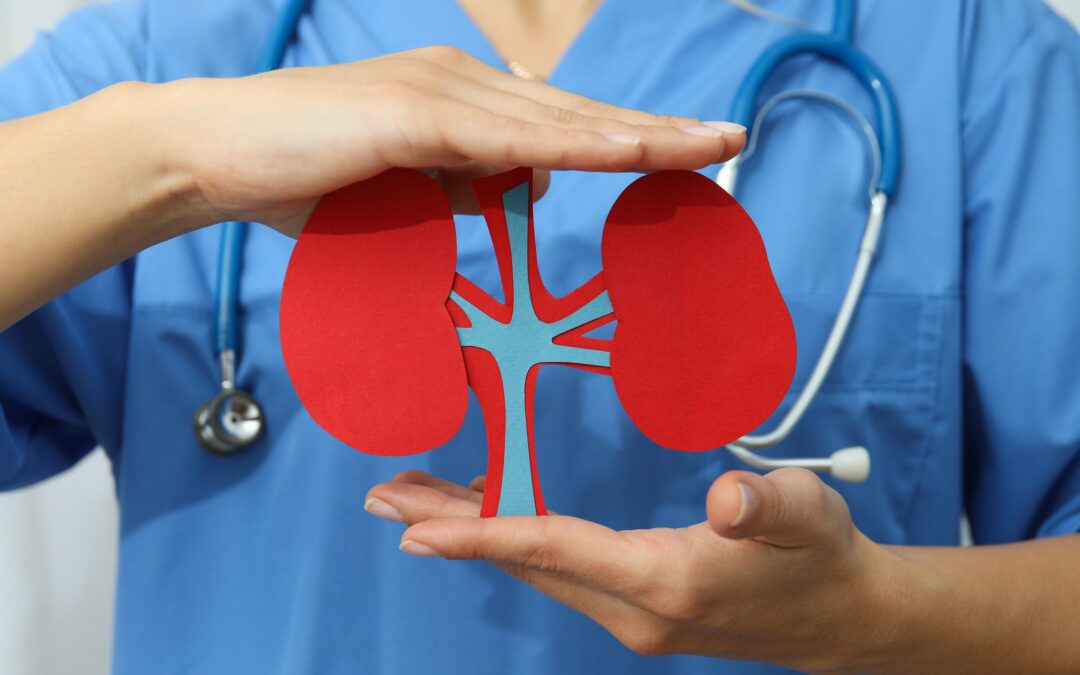
A comprehensive review published in Cureus analyzed 28 studies published between 2013 and 2023 to understand how PPIs affect kidney function.1 These drugs — prescribed for acid reflux, ulcers, and indigestion — were found to cause both sudden and long-term damage to the kidneys. The review revealed that PPIs are not only overprescribed but also misused for longer than necessary, often without proper medical supervision.
Patients taking PPIs over months or years faced a significantly greater chance of developing chronic kidney disease (CKD), a progressive condition that impairs your kidneys’ ability to filter waste. CKD means your kidneys slowly lose their strength, leading to fluid retention, fatigue, and eventual organ failure if left unchecked. Researchers noted that 25% to 70% of PPI prescriptions were written without proper justification, exposing millions to unnecessary risk.
Long-term PPI use was also shown to reduce magnesium absorption from the gut, leading to low magnesium levels. Magnesium is an essential mineral for muscle, nerve, and heart function. When levels drop too low, it places stress on your kidneys and triggers arrhythmias and bone loss. A large analysis cited in the review found that PPI users were twice as likely to develop low magnesium compared with those not taking the drugs.
Kidney Damage Builds Silently
Conventionally, doctors believed that PPIs only harmed kidneys through sudden loss of kidney function often triggered by illness or dehydration. PPIs appear to impair your kidney’s ability to recycle and repair its filtering cells. They also interfere with lysosomes — the cell’s “cleanup units” — which leads to waste buildup and oxidative stress. Over time, this process accelerates cellular aging, weakens tissue integrity, and diminishes filtration capacity. In other words, the drug interrupts your kidney’s housekeeping system, allowing toxic byproducts to accumulate. This hidden damage gradually adds up, setting the stage for full-blown CKD years later.
A news report from “In Your Area” featured U.K. general practitioner Dr. Ahmed, who publicly warned patients about the hidden dangers of long-term PPI use.2 He explained that drugs like omeprazole and lansoprazole were intended for short-term relief — typically just a few weeks — but many people end up taking them for months or even years without medical review.
Extended use of PPIs lowers stomach acidity to the point that your body stops properly absorbing key minerals and vitamins. Within just three months, magnesium levels begin to drop, leading to fatigue, heart irregularities, and muscle weakness. After six months to a year, potassium and vitamin B12 levels fall, which causes tingling, numbness, and nerve damage. These symptoms are often mistaken for unrelated conditions like neuropathy or anemia, so patients stay on the drug unaware of the true cause.
After a year or more, the risks become far more serious — particularly bone fractures. Stomach acid plays a key role in absorbing calcium and activating digestive enzymes that help keep bones strong. Without enough acid, your body struggles to maintain bone density, increasing the chance of hip, wrist, or spinal fractures.
Ahmed urged patients to question why they’re still on these drugs, saying, “If you’ve been taking omeprazole for months or even years, you need to go to your doctor and ask why you’ve been on it for so long.”
Low Stomach Acid — Not High — Is the Real Cause Of Reflux
While reflux feels like too much acid, the real issue is often that your stomach isn’t producing enough. When stomach acid is low, your lower esophageal sphincter — the muscular valve between your stomach and esophagus — doesn’t close tightly. This valve is pH-sensitive and only seals when stomach acid reaches the proper acidity. Without that trigger, acid and food push upward, irritating your throat and chest instead of digesting efficiently.
Your body makes stomach acid from hydrogen and chloride, but ultraprocessed foods are stripped of these elements. If your meals are low in real salt, fresh produce, and natural proteins, you’re depriving your stomach of the building blocks it needs to make acid. Over time, your digestion weakens, leading to bloating, burping, and reflux after eating.
Stomach acid production naturally drops with age. Certain autoimmune diseases also attack cells in your stomach that secrete acid, further reducing your ability to digest protein or absorb key minerals. That means even if you eat well, your body isn’t breaking down food efficiently — causing symptoms that mimic “too much acid.”
How to Safely Transition Off PPIs and Restore Real Digestive Health
If you’ve been relying on PPIs for reflux or heartburn, it’s time to correct the root issue — not just silence the symptom. Long-term acid suppression only worsens the problem by weakening digestion, depleting key nutrients, and creating conditions for bloating, fatigue, and inflammation. Here’s how to step off the PPI treadmill safely while rebuilding your body’s natural ability to digest food and prevent reflux at its source.
1. Taper off PPIs slowly to avoid rebound symptoms. Don’t stop a proton pump inhibitor abruptly; your stomach will rebound with intense acid release. Instead, work with your physician to reduce your dose gradually over two to three weeks. Once you’re on the lowest dose without discomfort, transition to a safer option like Pepcid (famotidine). After that, taper off the H2 blocker over several weeks until you no longer need it at all.
2. Choose Pepcid — not Zantac 360° — for a clean, reliable H2 blocker. If you’re looking for an acid blocker that doesn’t carry long-term health risks, Pepcid stands out from the rest. Its active ingredient, famotidine, not only soothes reflux but also helps rebalance serotonin. Pepcid has a decades-long safety record and no recall history. Even the rebranded “Zantac 360°” is just repackaged Pepcid, so stick with the original. If you’re weaning off PPIs or need short-term relief, Pepcid is the only acid blocker that delivers protection, balance, and systemic support beyond your stomach.
3. Restore the cellular energy needed to make stomach acid. Making stomach acid takes energy — lots of it. If your mitochondria, the tiny power plants in your cells, aren’t working well, acid production slows down. That leads to poor digestion, bloating, and reflux.
Start by supporting your mitochondria with daily sun exposure, healthy carbohydrates (about 250 grams daily if you’re moderately active) and eliminating seed oils, which contain linoleic acid that disrupts energy production. This gives your body what it needs to turn food into acid, not symptoms.
Give your stomach the raw materials it needs.Your body makes hydrochloric acid from hydrogen and chloride. That means you need foods that supply both. Eat hydrogen-rich foods like fresh fruits, vegetables, and quality proteins, and chloride-rich ones like sea salt, tomatoes, lettuce, celery, and olives. Fermented foods such as sauerkraut or a small glass of cabbage juice before meals also help kickstart acid production naturally.
Use time-tested digestive support tools. Bitters before meals signal your body to start acid production. If your stomach acid is already too low, try betaine HCl, starting with one capsule before meals and slowly increasing until you feel warmth or mild discomfort. That’s your threshold. Back off slightly and stay at that dose. Another option: mix 1 tablespoon of raw, unfiltered apple cider vinegar in a full glass of water and drink it just before or after eating. It gives your stomach the extra push it needs.
This article was brought to you by Dr. Mercola, a New York Times bestselling author. For more helpful articles, please visit Mercola.com.
Sources and References
1 Cureus. 2023 Dec 3;15(12):e49883
2 In Your Area October 14, 2025
Find holistic Weight Management in the Spirit of Change online Alternative Health Directory.
RELATED ARTICLES:
Natural Strategies For Heartburn Relief
Can You Use Turmeric To Treat Acid Reflux?
Recent Comments