
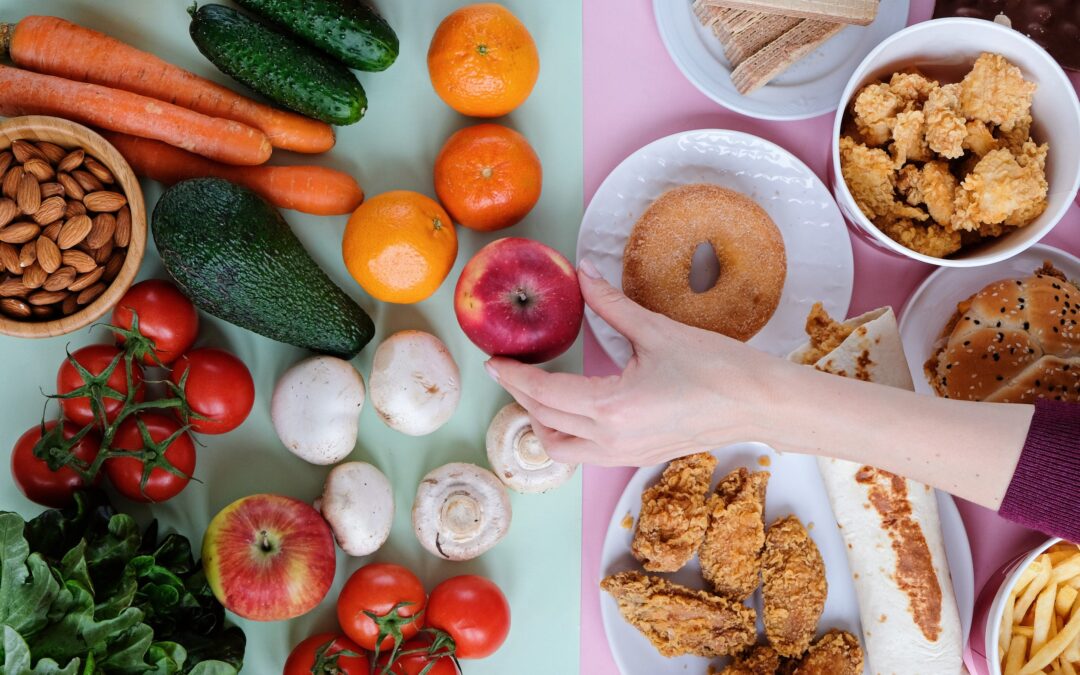

Big Food has steadily gained consumers over real, whole food. In a 2024 analysis published by Johns Hopkins Bloomberg School of Public Health, “more than half of calories consumed at home by adults in the U.S. come from ultraprocessed foods.”1 This is one of the most concerning findings when it comes to public health, as these products have been extensively linked to rising rates of chronic disease.2
In a three-part series published in The Lancet, researchers sounded the alarm on how ultraprocessed foods are becoming a “major health threat.”3
What Are Ultraprocessed Foods?
In 2009, epidemiologist Carlos Monteiro (who also co-wrote the first part of the featured Lancet study) and his research team came up with the NOVA classification system, which categorizes food into four groups based on their level of processing, not their nutritional content.4 This was spurred by the fact that in Monteiro’s native Brazil, obesity was once believed to be a problem of wealthy people, since they could buy all the food they want.
However, obesity rates started to climb from all income brackets in Brazil, which necessitated a different way of thinking to combat the growing problem.5 Here are the four groups:6
- Group 1 (unprocessed and minimally processed foods) —These are foods at their purest form. Plants as well as animal products are included here. Examples include fruit, vegetables, meat, mushrooms, eggs, and milk.
- Group 2 (processed culinary ingredients) —These include common cooking ingredients such as butter, lard, sugar, and salt. They are typically minimally processed using techniques such as pressing, grinding, milling, and drying.
- Group 3 (processed foods) —These refer to products that contain a mixture of processing and natural food, such as canned fruit preserved in syrup or fish preserved in oil. While the goal with group 3 is to increase shelf life of group 1 ingredients, the issue is that manufacturing is now done on an industrial scale.
- Group 4 (ultraprocessed foods) —Products that belong in this category are basically lab-made concoctions. They are “formulations of ingredients, mostly of exclusive industrial use, typically created by series of industrial techniques and processes (hence ‘ultraprocessed’).”
Common examples of ultraprocessed foods include soft drinks, candies, mass-produced bread, margarine, pre-prepared meats, hotdogs, and instant noodles.
According to Priscilla Machado, Ph.D., co-author of The Lancet study series, products belonging under group 4 pose the biggest threat to public health. “There is well-established evidence that ultra-processed foods are displacing healthy diets and harming health globally,” she said.7
Governments Are Bowing Down To Corporations
The research revealed that despite clear evidence of harm from ultraprocessed foods, most governments rely on narrow or weak strategies, such as voluntary reformulation or general education campaigns. These approaches leave you largely unprotected, because they do not change the availability, price, or aggressive marketing that drives you toward ultraprocessed foods in the first place. The findings show that stronger structural policies — not personal responsibility messages — are what shift actual eating habits.
Current rules mainly target sugar, sodium, or partly hydrogenated oils, which allows companies to tweak ingredients without changing the underlying product design. That means a snack loaded with emulsifiers, artificial flavors, and engineered textures still reaches store shelves when the salt or sugar number fits a guideline.
Sweeteners, emulsifiers, and colorants remain widely permitted despite growing evidence that combined exposure to these chemical mixtures affects human physiology. Restricting these ingredients would directly target the features that make ultraprocessed foods so damaging to your body, yet most governments avoid this step.
Nations that introduced stronger measures, such as front-of-package warning labels or sugary drink taxes, saw changes in product sales and consumer choices within a relatively short window, often a few years. The shifts occurred not because people suddenly wanted healthier food but because the food environment itself changed.
Factors such as price, visibility, and labeling influence daily decisions far more than nutrition lectures, which explains why personal willpower rarely beats the sheer convenience and promotion of ultraprocessed foods.
Multifaceted Methods Work Best
Some of the largest benefits were observed in countries that used a combination of policies rather than isolated measures. The research noted that when governments combine marketing restrictions, fiscal tools, and strong front-of-package warnings, the food landscape shifts rapidly — healthier foods become cheaper and easier to access, while ultraprocessed options lose their dominance.
Policies that reshape the food environment, such as restrictions on advertising to children, public procurement standards, and pricing strategies have far greater impact than education programs or voluntary guidelines supported by industry. This means that health outcomes improve when the rules governing supermarkets, schools, and supply chains change, not when the burden is pushed onto the public through campaigns about better choices. That’s because, again, consumers will largely favor the convenient option. However, structural changes can mitigate the impact.
Big Food Keeps Searching For Loopholes
One major barrier is industry interference. According to the paper, transnational food corporations actively lobby against stricter regulations, fund research framed to cast doubt on ultraprocessed food harms, and use trade agreements to challenge national policies they view as threats to profit. This interference shapes the food system you live in long before any government can put protective measures in place.
The study highlights regulatory blind spots created by focusing on individual ingredients rather than the whole system of processing. When governments regulate isolated components, companies shift to new formulations rather than new food categories. This keeps ultraprocessed foods dominant, while giving the illusion of progress. For example, efforts to reduce sugar in ultraprocessed foods led to a 15% increase in non-nutritive sweeteners in children.8
Food corporations invoke international trade and investment agreements to challenge national regulations they dislike. This tactic has been used to argue that front-of-pack warning labels or advertising restrictions violate trade rules. They also use their near unlimited resources to fund their legal strategies:9
“In Mexico, the industry filed 50 legal injunctions to delay a front-of-pack warning label regulation, claiming violations of advertising freedoms of expression and intellectual property rights.”
“Soft power” refers to subtle strategies that shape public perception rather than direct policy. Companies sponsor community programs, fund sports events, donate to health charities, and form alliances with influential institutions.
These actions create an image of social responsibility while distracting from the health harms associated with their products. When a company’s logo appears on school events, nutrition programs, or academic conferences, it becomes easier for the public to trust the brand and harder for policymakers to introduce measures that restrict its products.
How To Reduce Your Ultraprocessed Food Intake
Ultraprocessed foods have been woven into nearly every facet of the modern food system, and most people don’t realize how much they dominate our diets. Supermarkets are even intentionally arranged to funnel you toward purchasing these items, and major food manufacturers pour billions into marketing to keep them irresistible.
But once you become aware of the tactics used to trick your mind, it becomes easier to say no and turn to healthy food. With this in mind, these steps can help you break free.
1. Clear out your pantry and switch to healthier choices. Start by clearing out your pantry, because whatever sits in it subconsciously steers your daily eating habits. Clear out the usual grab-and-go offenders like potato chips, crackers, packaged chocolate bars, and candy, and restock with simple, ready-to-eat real foods. Choose fresh fruit, pastured eggs, and homemade yogurt without additives. If it’s never in your home, it will never make it into your stomach.
2. Add natural sources of whole carbs, protein, and fiber.Pastured eggs, grass fed meats, wild fish, or properly prepared legumes give you steady energy, while well-cooked vegetables, fresh fruit, and whole grains provide healthy carbs and fiber that support your gut and stretch your fullness for hours. These tips make it far easier to avoid cravings for ultraprocessed foods.
3. Choose better versions instead of giving things up. Keep the flavors and textures you like but swap out the junk behind them. Trade sweetened yogurt for plain yogurt with fresh fruit, switch from oily chips to air-popped popcorn, or replace soda with sparkling water and a squeeze of citrus. You still get crunch, sweetness, or fizz, but without the additives that push you toward overeating.
4. Reshape your kitchen cues. Just as groceries make it easier for you to choose ultraprocessed foods off the shelves, the same idea can also apply to your kitchen. Make whole foods the first thing you see and the easiest thing to grab. Put fruit where it’s obvious, keep prepped vegetables in clear containers, and store tempting snacks far away from eye level. When the environment stops nudging you toward packaged products, your brain gradually shifts its reward signals toward real food instead.
5. Scan ingredients like a detective. You don’t need to study every chemical name, just notice the obvious patterns. Long ingredient lists usually signal heavy industrial processing. Added sugars, refined flours, are red flags. The U.S. Food and Drug Administration (FDA) advises using the Nutrition Facts label to watch for added sugars and sodium,10and shorter ingredient lists generally point to foods that stay closer to their natural form.
6. Beware of linoleic acid. In addition to the refined sugars, emulsifiers, artificial sweeteners, and other toxins lurking in ultraprocessed foods, be on the lookout for linoleic acid (LA). Eaten in excess, LA causes mitochondrial dysfunction, which hampers your ability to produce clean cellular energy. High amounts of LA are found in vegetable oils, such as corn, safflower, soybean, and sunflower oil. That said, minimize your intake to less than 2 grams per day to protect your health.
7. Surround yourself with support Eating habits shift more easily when the people around you understand what you’re working toward. Share your goals with friends or family or connect with communities focused on eating healthy food. If you want personalized guidance, an experienced registered dietitian nutritionist can help you create a plan that fits your health needs and lifestyle.
This article was brought to you by Dr. Mercola, a New York Times bestselling author. For more helpful articles, please visit Mercola.com.
Sources and References
1 Johns Hopkins, December 10, 2024
2 BMJ 2024;384:e077310
3 AA, November 19, 2025
4 Medical Xpress, November 19, 2025
5 World Obesity, Professor Carlos Monteiro recognised with prestigious William Philip T James Award
6 FAO, 2019
7 University of Melbourne, November 19, 2025
8 The Lancet, Policies to halt and reverse the rise in ultra-processed food production, marketing, and consumption
9 The Lancet, Towards unified global action on ultra-processed foods
10 US FDA, The Nutrition Facts Label, March 5, 2024
Find holistic Yoga practitioners in the Spirit of Change online Alternative Health Directory.
RELATED ARTICLES:
The Number One Cause Of Death That’s Hiding In Plain Sight
Dramatic Increase In Percentage Of US Adults Who Meet New Definition Of Obesity
Recent Comments