
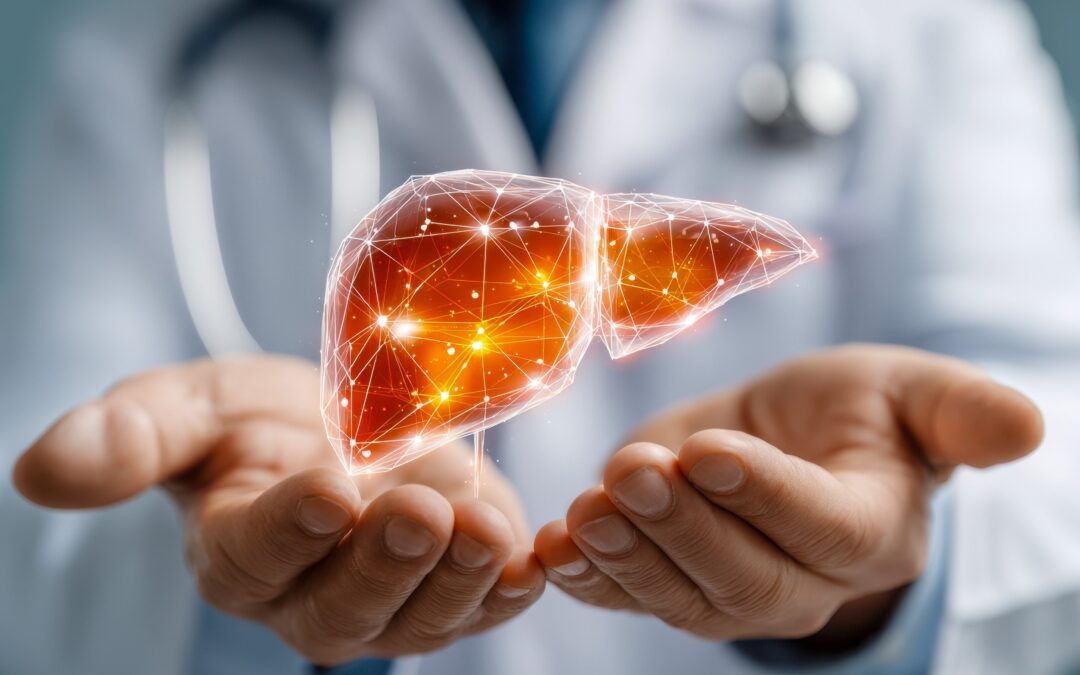

Fatty liver disease silently affects many Americans today, and alcohol consumption has been shown to be a common cause.1 Left untreated, fatty liver disease impairs liver function, increasing your risk of scar tissue formation, known as fibrosis or cirrhosis. According to the Cleveland Clinic, 90% of those who develop liver cancer have cirrhosis.2
Acting early is critical. Research shows clearly that catching liver damage early leads to nearly complete recovery, while more advanced damage like fibrosis or cirrhosis can show limited improvement. The speed and completeness of your recovery depend heavily on when you decide to quit alcohol and how you support your body afterward.
A Timeline Of Your Liver’s Health After Stopping Drinking
Your liver begins healing remarkably fast once you stop drinking alcohol. According to The Hearty Soul, here’s what your liver will look like within the following timeline:3
First 24 hours —Your liver breathes a sigh of relief. Within hours, inflammation biomarkers begin to drop, and your liver cells return to their original role instead of fighting the alcohol within your system. While you won’t notice it, the healing has already started.
One week —After alcohol has been purged from your system in a week, you’ll immediately start feeling better. Sleep quality will noticeably improve because the toxins produced by alcohol won’t disrupt your sleep cycle anymore. Moreover, you’ll have more energy because your liver can now burn stored the glycogen in your body.
Two weeks —By this time, your liver begins to clear out fat deposits. Lipid metabolism normalizes, which means improved nutrient absorption and energy production.
One month —This marks a major victory from your health. If you’ve developed an enlarged liver due to alcohol abuse, swelling has likely gone down, and your blood tests will show improvements in liver enzymes. All the health victories you’ve gained before will be intensified further, and your immune system even gets a rest after fighting alcohol for a long time.
90 days —This part is what recovery experts call the “transformation zone.” That’s because your liver has shed plenty of fat, and inflammation has noticeably reduced. Your cellular repair process are working at full speed to repair the damage, and your energy levels and mental acuity returns. Liver protein production will also be closer to baseline levels.
Six months to one year —While it’s already been a long time since you stopped drinking alcohol, your liver still continues to repair the damage. Scar tissue in the liver may begin improving, but know that severely scarred tissue takes longer to heal, and may even never fully resolve. Despite this setback, your risk for liver disease significantly drops.
Of course, the timeline provided above isn’t set in stone, but it gives you a rough idea of what to expect. Recovery is different for everyone due to various factors, such as the amount of alcohol you drink, as well as the frequency of drinking. Moreover, your age, weight, and current health status affect liver recovery. The key takeaway here is that alcohol, no matter the amount, is not good for your health. When the drinking stops, the healing begins.4
A Scientific Look At Liver Recovery
Your liver is a sturdy organism, and one of its most amazing aspects is the ability to heal even after being exposed to toxins. In a study published in Alcohol Research: Current Reviews, researchers examined — under an academic setting — how your body begins to heal after chronic alcohol use.5
The study focused on individuals who had engaged in chronic, heavy drinking for prolonged periods and assessed how abstinence affected liver health and overall metabolism. Findings show that significant improvements in liver structure, function, and general health markers happen far quicker than most realize. Within weeks to months, the body demonstrated remarkable self-repair, underscoring just how resilient your liver truly is.
Autophagy is a natural process by which your cells recycle or dispose of damaged cellular components and fats. Chronic alcohol use slows or even shuts down this crucial cleaning process, leaving your liver clogged with fatty deposits and malfunctioning cells. Once alcohol is out of your system, autophagy resumes, actively breaking down accumulated fats and cellular debris, allowing the liver to restore its optimal functionality.
Steps To Help Eliminate Alcohol Consumption
Are you having trouble quitting alcohol? Dr. Brooke Scheller, founder of Functional Sobriety (a nutrition-based program for alcohol reduction) and author of “How to Eat to Change How You Drink,” offers several helpful tips:
1. Get curious and educate yourself. Read books, listen to podcasts, and learn about the health impacts of alcohol.
2. Find community support. Scheller runs an online community called the Functional Sobriety Network. There are many other support groups and resources available as well.
3. Examine your social media. Unfollow accounts that glamorize drinking and follow sober influencers instead.
4. Address the root causes. Look at why you drink — stress, social pressure, habit — and find healthier alternatives.
5. Support your body nutritionally. Supplements like L-theanine, L-glutamine, NAC, B-complex vitamins, and milk thistle help with cravings and support detoxification.
6. Stabilize blood sugar. Increasing protein intake and eating regularly helps reduce alcohol cravings.
7. Be open about your choice. Scheller encourages people to simply say they’re not drinking for their health if asked.
One of the most powerful shifts Scheller advocates for is changing how you think about alcohol in your life in order to reframe your relationship with drinking:
“Previously, the only people who did quit drinking were people that identified themselves as having a problem or maybe had to quit. And so, the first thing I’ll say is you don’t have to have a problem to decide that you want to explore this. You don’t need to even be that regular of a drinker for you to say, ‘You know what? This is something I may want to explore.’”
In other words, choosing not to drink alcohol is a positive, empowering decision for your health and longevity — not a punishment or deprivation.
This article was brought to you by Dr. Mercola, a New York Times bestselling author. For more helpful articles, please visit Mercola.com.
Sources and References
1Johns Hopkins Medicine, “Alcohol-Associated Liver Disease”
2 Cleveland Clinic, “Steatotic (Fatty) Liver Disease”
3 The Hearty Soul, June 4, 2025
4 Cleveland Clinic, “How Long Does It Take for Your Liver to Detox from Alcohol?”
5 Alcohol Res. 2021 Apr 8;41(1):05
Find holistic Shamanic Healing in the Spirit of Change online Alternative Health Directory
RELATED ARTICLES:
11 Foods That Are Good For Your Liver
Alcohol Use Is Widely Accepted In The US, But Even Moderate Consumption Is Associated With Many Harmful Effects
Recent Comments