
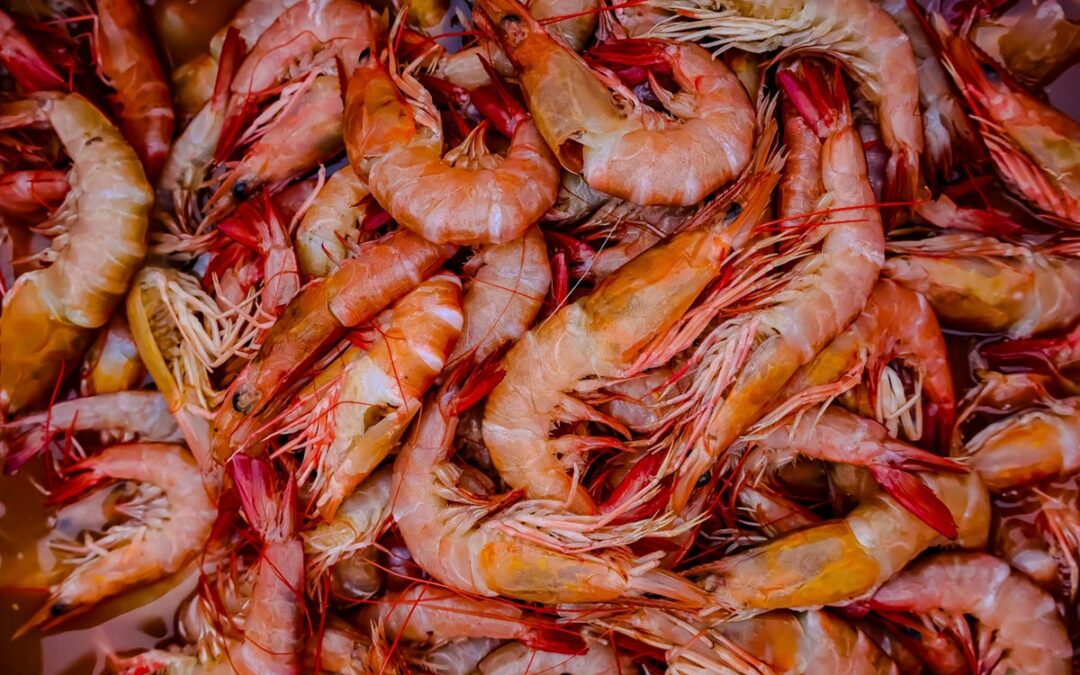

Dear EarthTalk: What is “shrimp fraud?” Why is it bad for the environment and local economies and how are we combating it? — Michelle G., Seattle, WA
Shrimp is one of the most popular seafood choices worldwide. “We eat over one billion pounds of shrimp [annually in the U.S.],” Kimberly Warner, senior scientist of Oceana, tells The Guardian. Producers mislabel or misrepresent shrimp products to deceive buyers about their species, origin or sustainability. This deceptive practice misleads consumers and harms the environment, the economy and public health.
Shrimp fraud takes various forms, including species substitution, where lower-quality or cheaper shrimp species are sold as expensive varieties. Some producers mislabel shrimp origins to disguise unsustainably harvested shrimp. Some misrepresent sustainability claims to appeal to eco-conscious consumers.
When producers misrepresent shrimp harvesting, they drive overfishing, depleting wild shrimp populations and disrupting marine ecosystems. Shrimp farmers clear mangroves for unsustainable shrimp farming, destroying coastal habitats and reducing biodiversity. Shrimp farmers also pollute local water systems by releasing excess nutrients and chemicals, harming aquatic life. Fraudulent shrimp sourcing supports unreported and unregulated fishing, weakening efforts to manage global fisheries responsibility.
Honest shrimp fishers suffer financial losses when their legally harvested shrimp must compete with fraudulent alternatives. Mis-labelers deceive consumers, charging them premium prices for falsely advertised products. This results in financial losses and raises health concerns because some mislabeled shrimp are contaminated, exposing customers to potential allergens or harmful chemicals.
Organizations and consumers have increased efforts to combat shrimp fraud in recent years. Governments have implemented seafood labeling laws and regulations requiring accurate product descriptions. “An immediate fix would be traceability and better labeling, allowing people to choose their seafood confidently and responsibly,” Kimberly Warner says. Regulators and advocacy groups have developed DNA testing and traceability initiatives to verify shrimp species and origins more effectively. Consumer awareness campaigns have exposed fraudulent practices and pushed for industry-wide reform.
Consumers can fight shrimp fraud by making informed purchases and choosing trusted sources like certified sustainable fisheries. Support stronger labeling laws and traceability programs. Stay informed and advocate for ethical sourcing to foster a more sustainable shrimp industry.
CONTACTS: A third of U.S. shrimp is ‘misrepresented’, theguardian.com/environment/world-on-a-plate/2014/oct/30/shrimp-prawns-seafood-fraud-oceana-sustainability-overfishing.
EarthTalk® is produced by Roddy Scheer & Doug Moss for the 501(c)3 nonprofit EarthTalk. See more at https://emagazine.com. Send questions to: question@earthtalk.org.
Find holistic Hypnosis & Hypnotherapy in the Spirit of Change online Alternative Health Directory.
RELATED ARTICLES:
Navigating Sustainable Seafood For Taste And Health — It’s Complicated
Something’s Fishy About Seafood Labels
Recent Comments